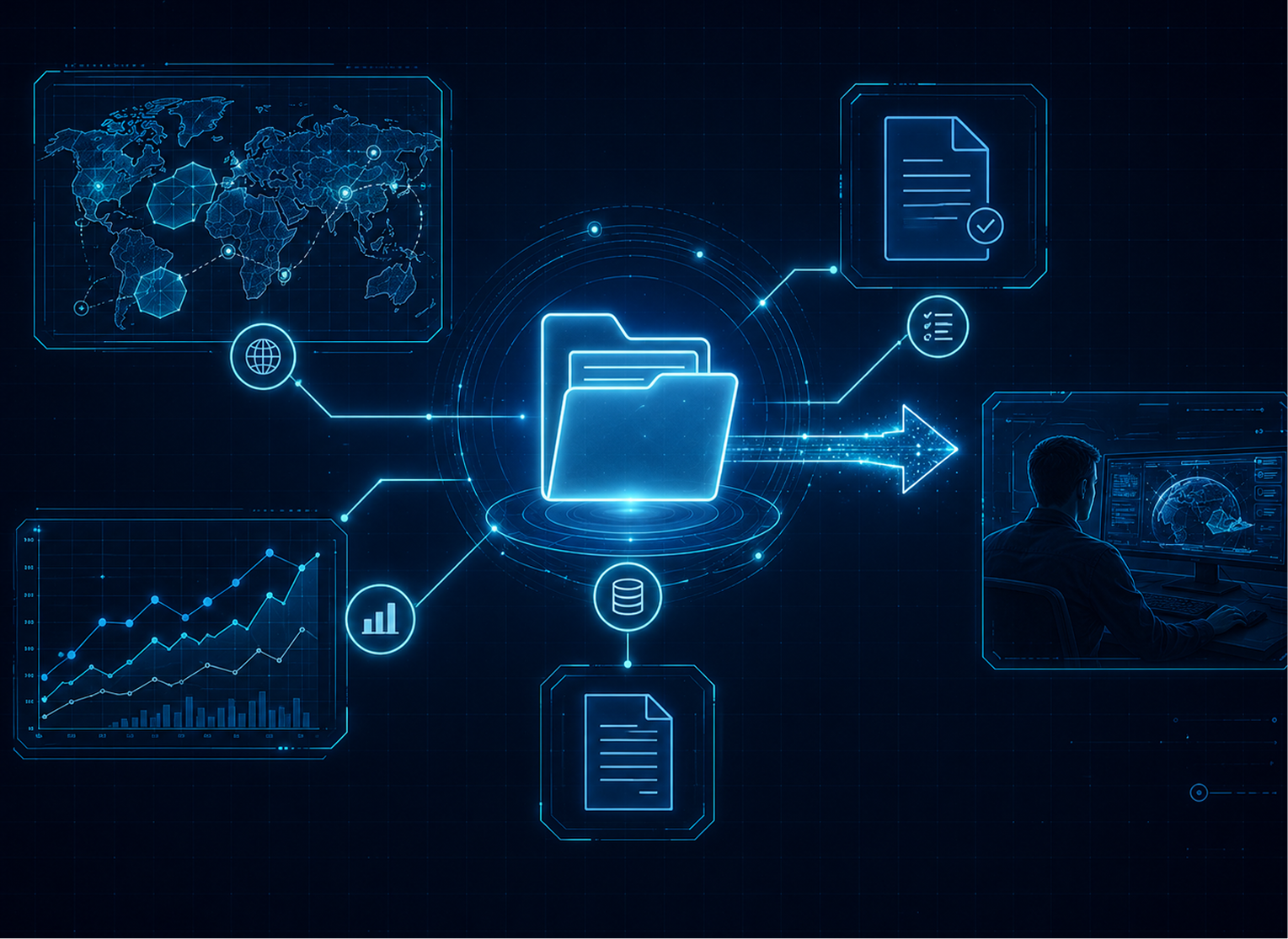
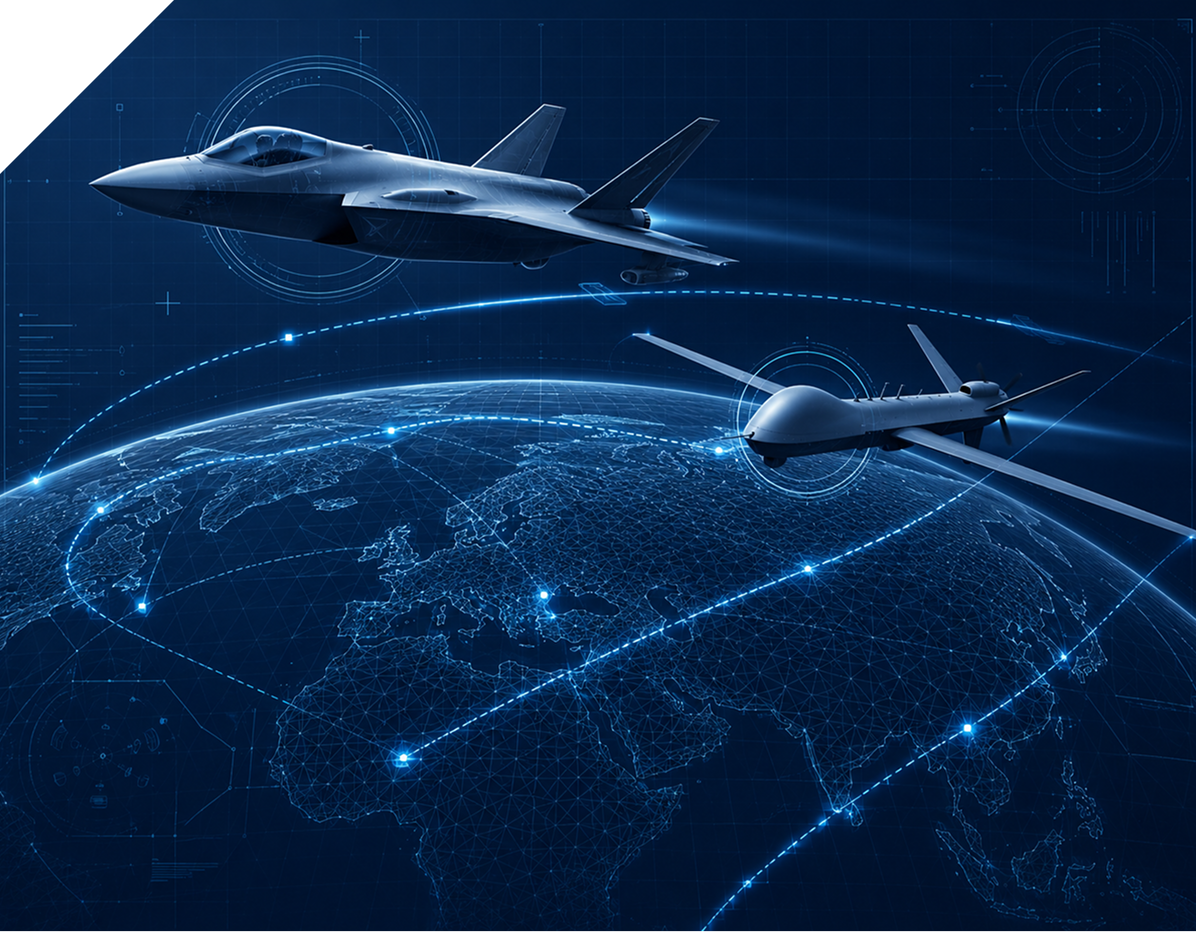
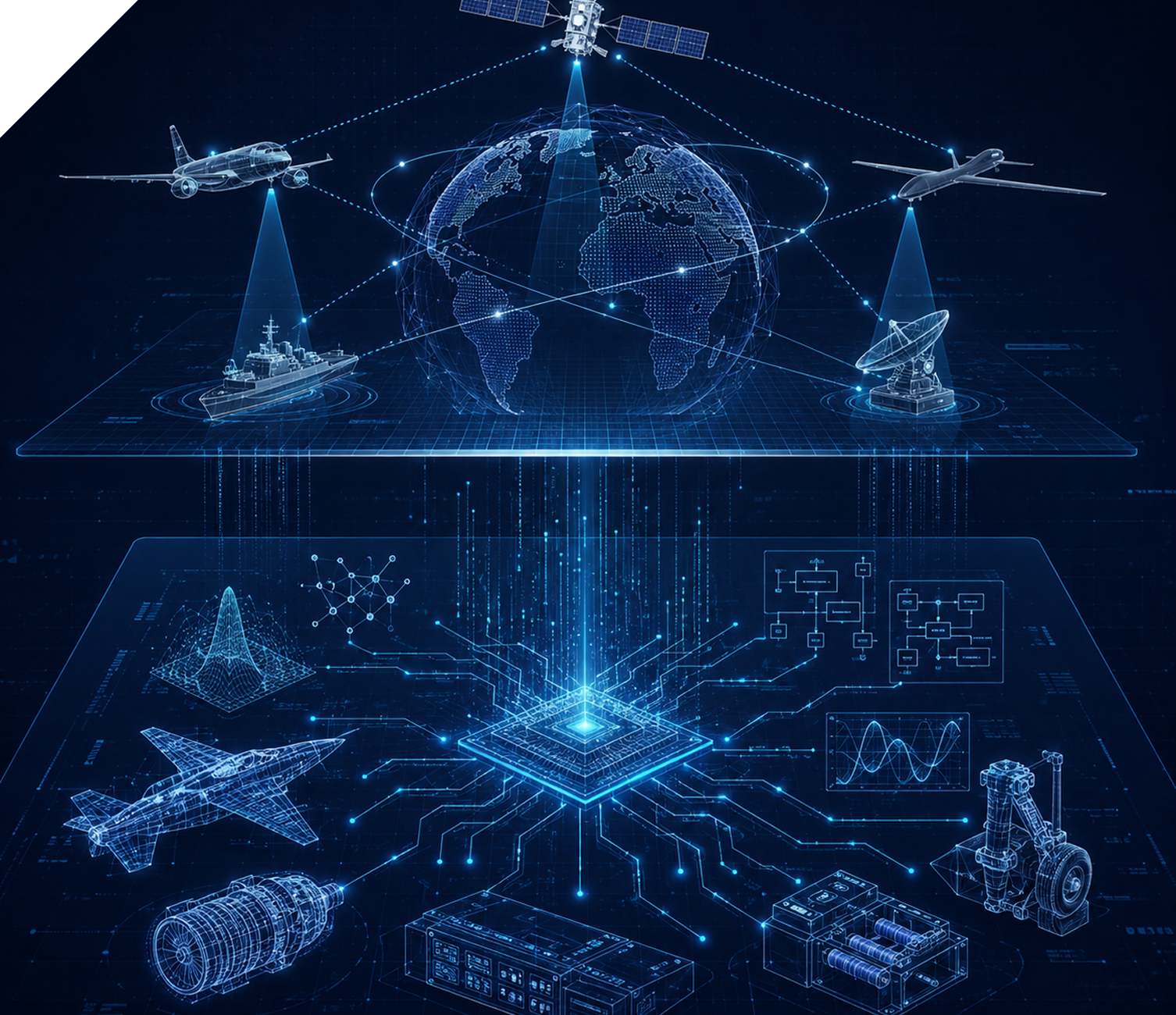
We use Ansys STK to model platforms, sensors and links in realistic mission scenarios – from aircraft and UAVs to satellites, ships and ground sites. This helps teams understand where assets can operate, what they can see, and how well communications and sensing perform.
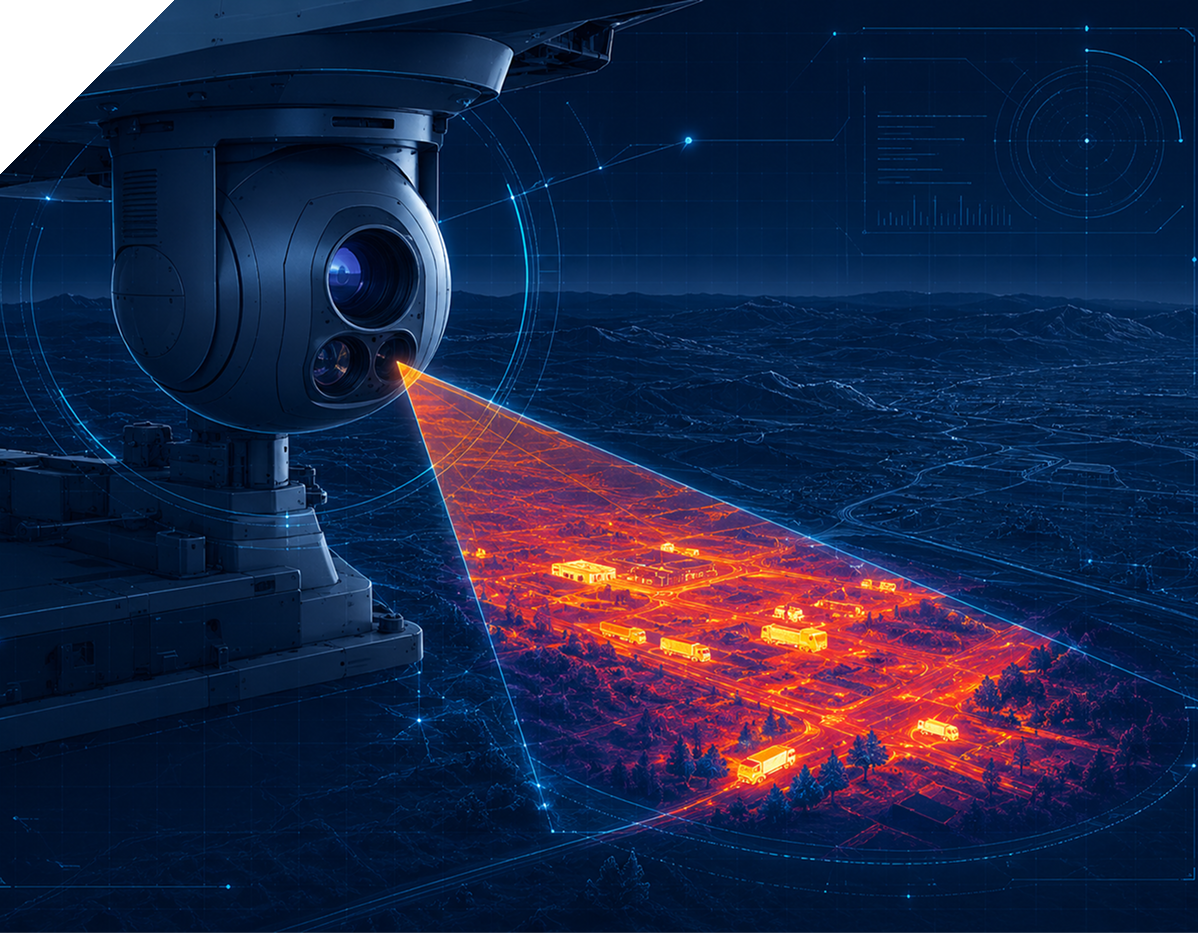
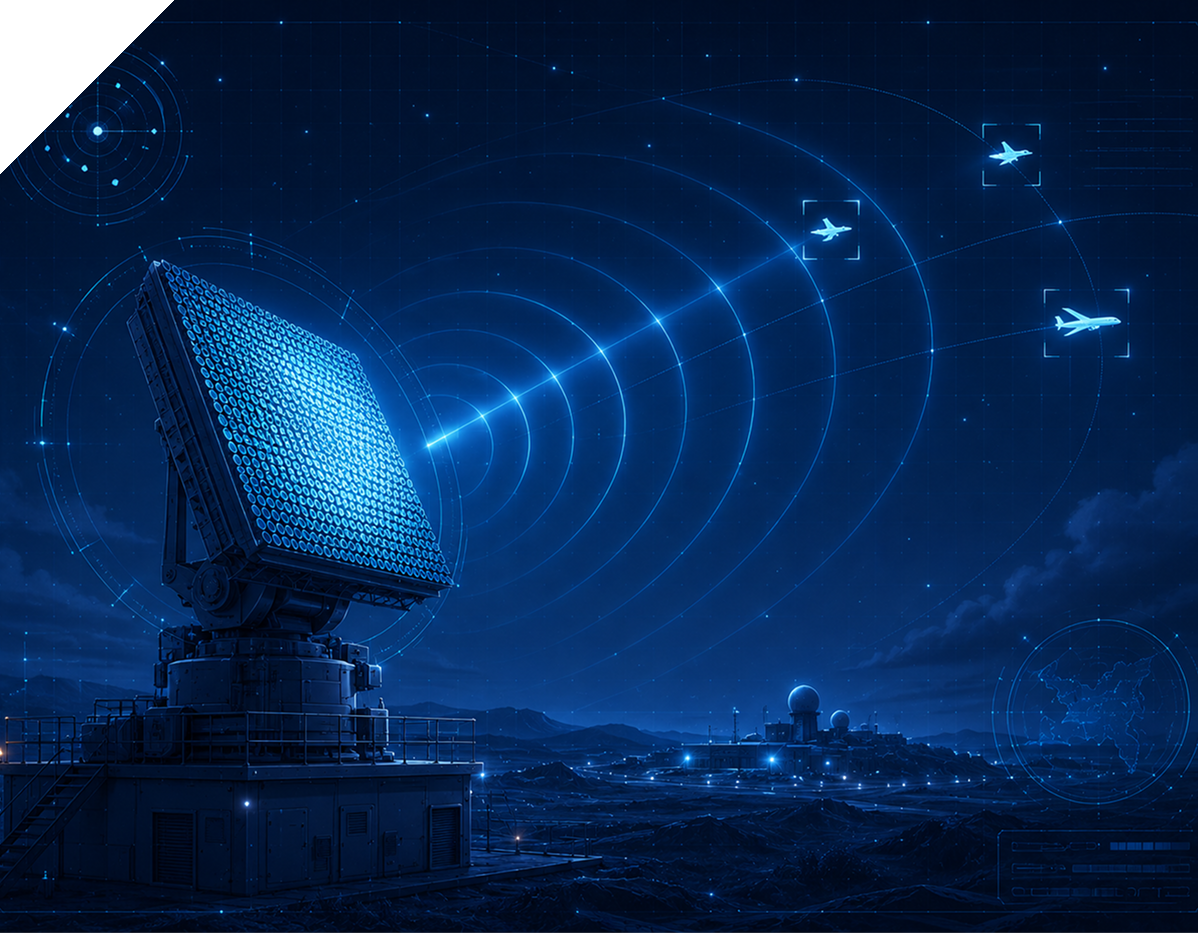
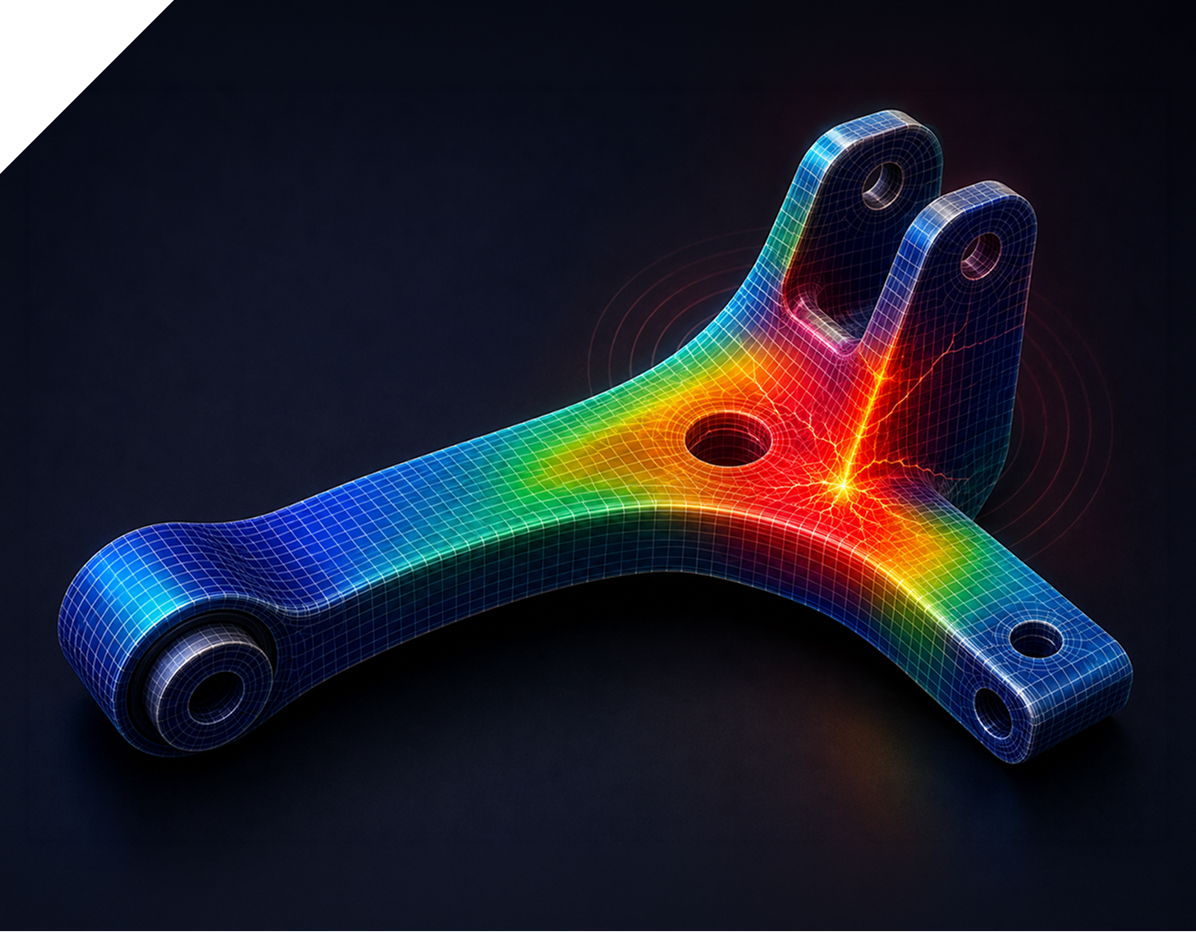

Multi‑asset problems where geometry, environment and time all matter: coverage of regions, visibility of targets, link performance and trajectories across air, space, sea and ground.STK provides a way to explore these relationships without building bespoke tools for each case.
HOW WE COLLABORATE
STK is a mission‑level modelling environment that complements detailed subsystem simulation. We use it to provide context – what assets are doing and how they interact – while linking to physics solvers where necessary.
SYSTEM TOOL KIT
The examples below mirror the themes from your STK pillar and common mission‑engineering use cases.
If you are working with missions that involve multiple assets and sensors, STK can act as a common environment for analysis and communication.
We can start with a single mission slice and build from there.
SYSTEM TOOL KIT
The approach follows the same pattern as our other simulation practices: listen first, model carefully, then communicate results in everyday language.
List platforms, sensors, areas of interest and constraints for the mission.
Agree on which outputs matter most – coverage, access, link margins, detection opportunities and so on.
Set expectations on fidelity and how STK will link to detailed subsystem models if required.
Document assumptions, data sources and configuration choices in simple terms.
Provide maps, plots and reports alongside narrative recommendations for mission planners and engineers.
Where useful, hand over STK scenarios so your team can explore variants and future missions.
Curious whether STK is a fit? Share a short description or sketch of your system and we’ll respond with an informal view on applicability, effort and likely value – before you commit to a full project.
A sample of engagements across our sectors. More case studies are being prepared as current programmes reach a publishable stage.
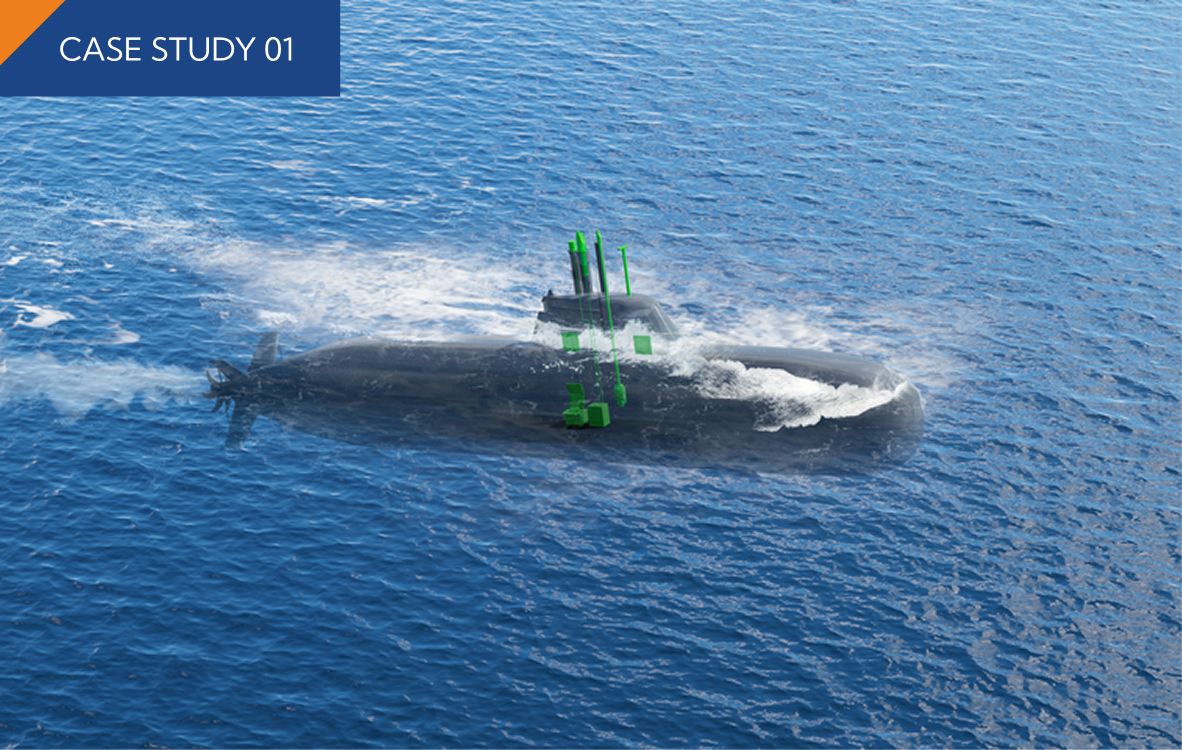
Conjugate heat-transfer simulation of a submarine mast assembly, validating thermal margins for embedded electronics under sustained operational loads.
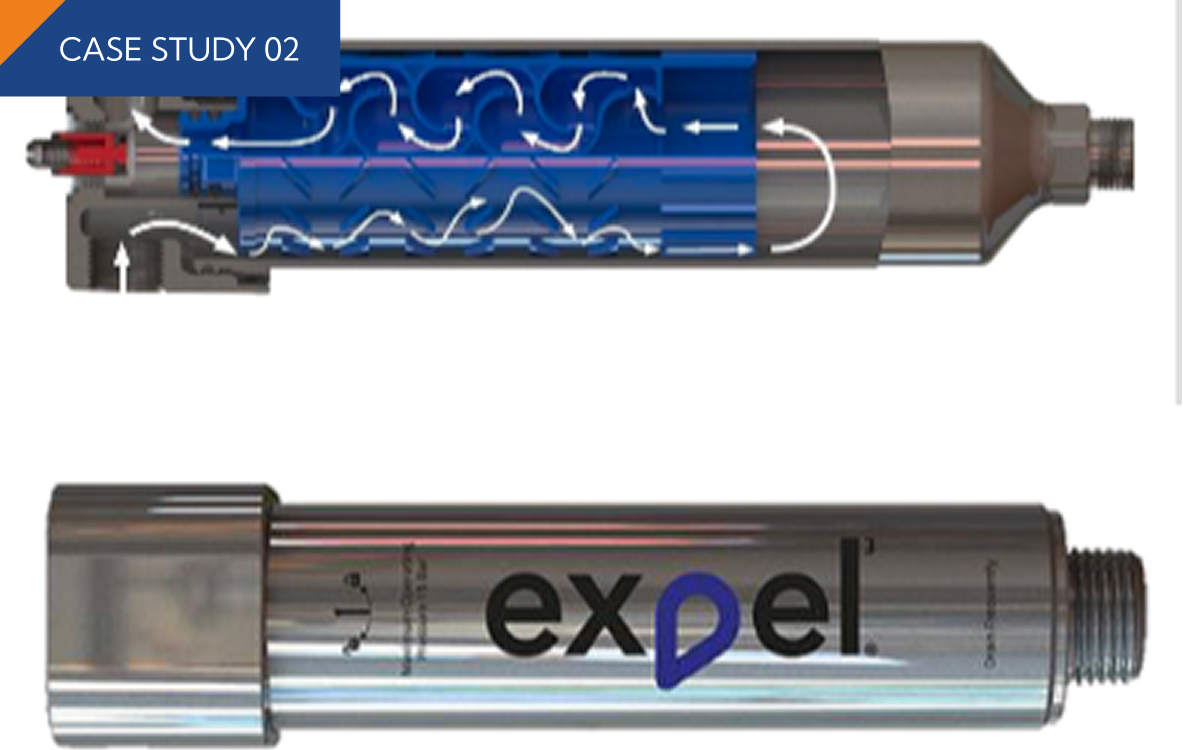
Multiphase CFD study of an advanced filtration system for ERIKS UK's Expel range, characterising pressure drop and flow uniformity across duty conditions.
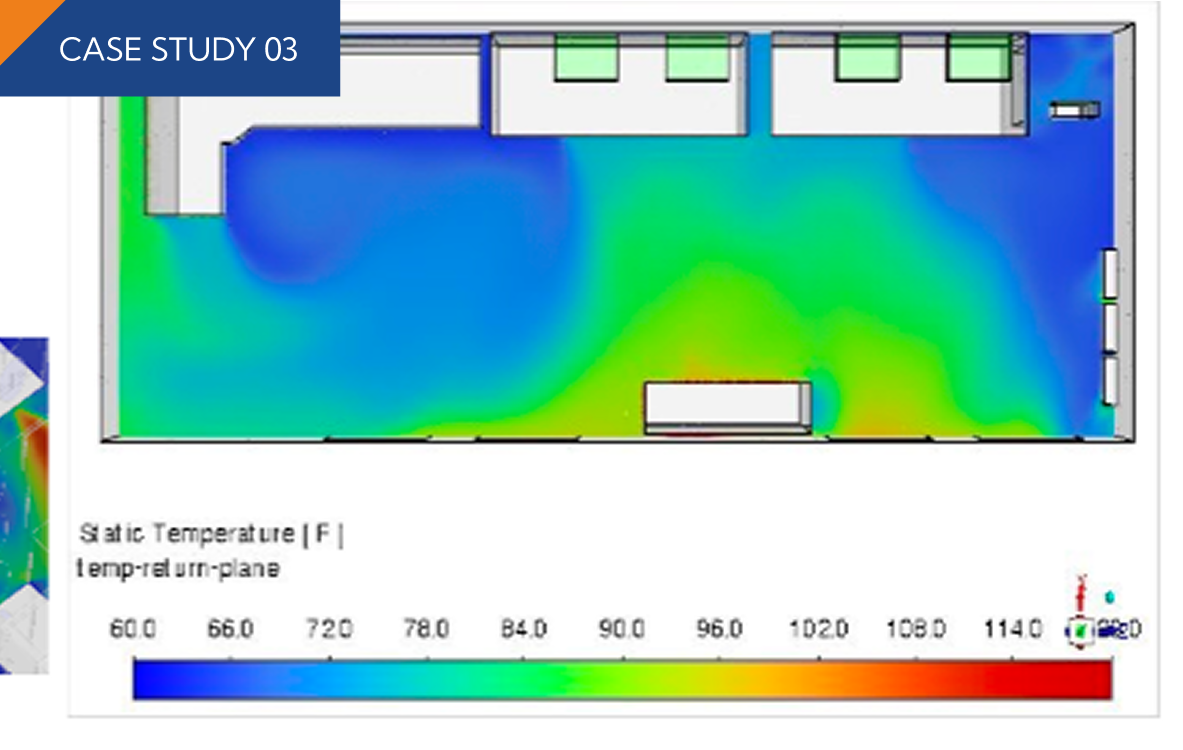
Delivered a CFD-driven HVAC cooling assessment that verified system redundancy, optimized cooling performance, and ensured reliable operations.

Discover how AI-driven engineering simulation and multiphysics solutions solve complex challenges across defence, aerospace, marine, and industrial sectors.