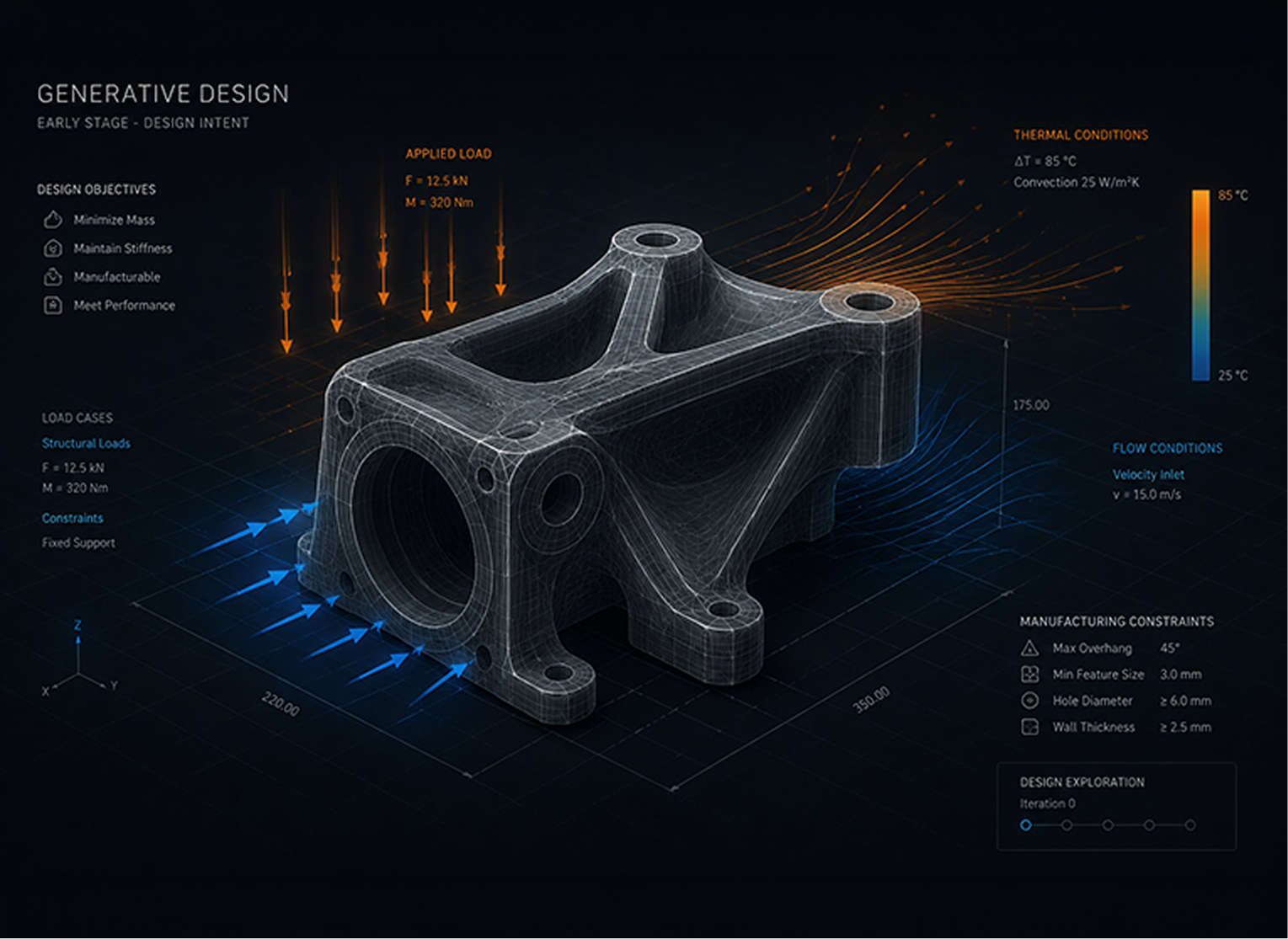
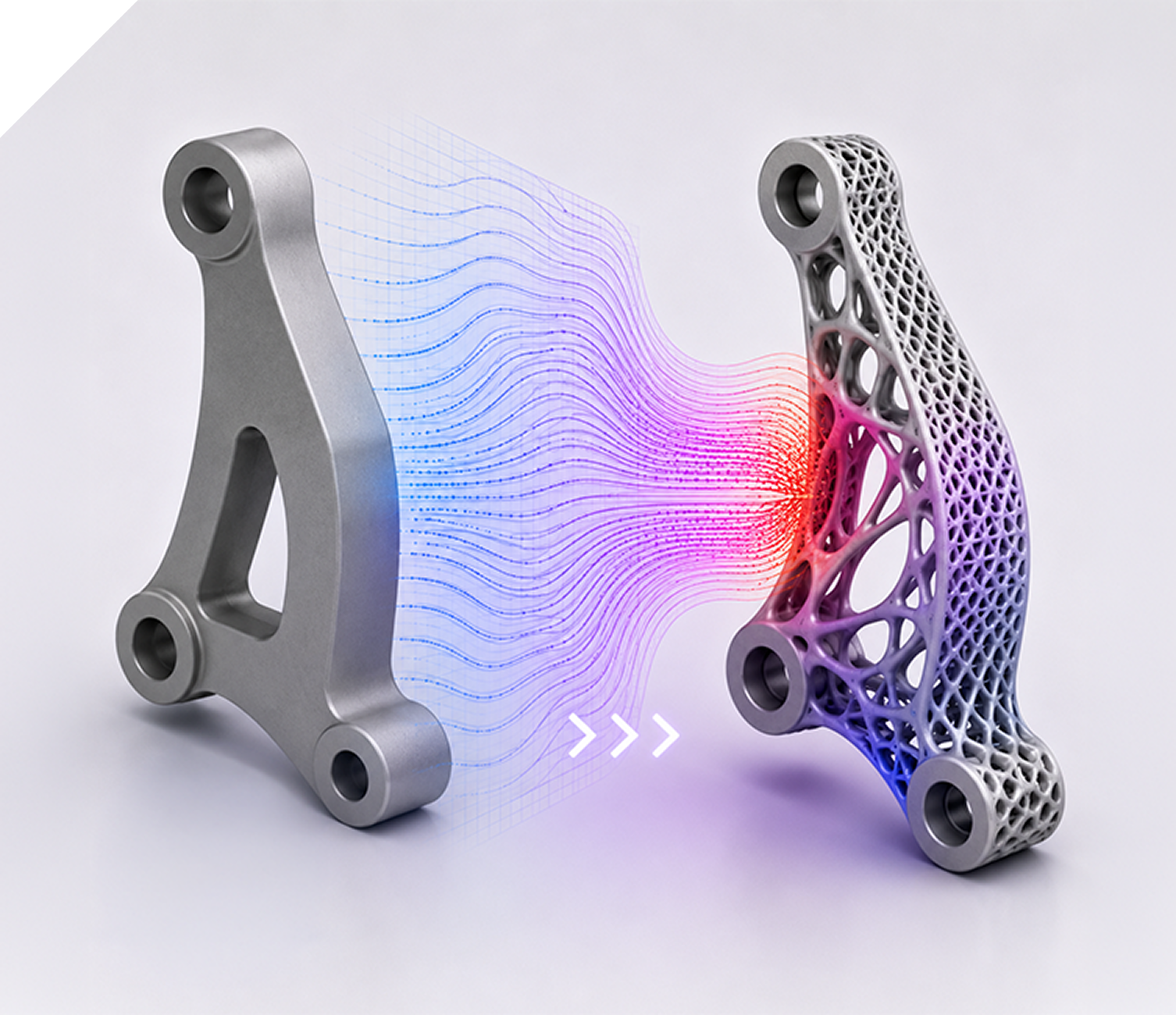
We use simulation and design fields – such as stress, temperature or distance – to vary lattice density, wall thickness and surface features within a part. The aim is to place material where it is most useful, while keeping manufacturing constraints in mind.
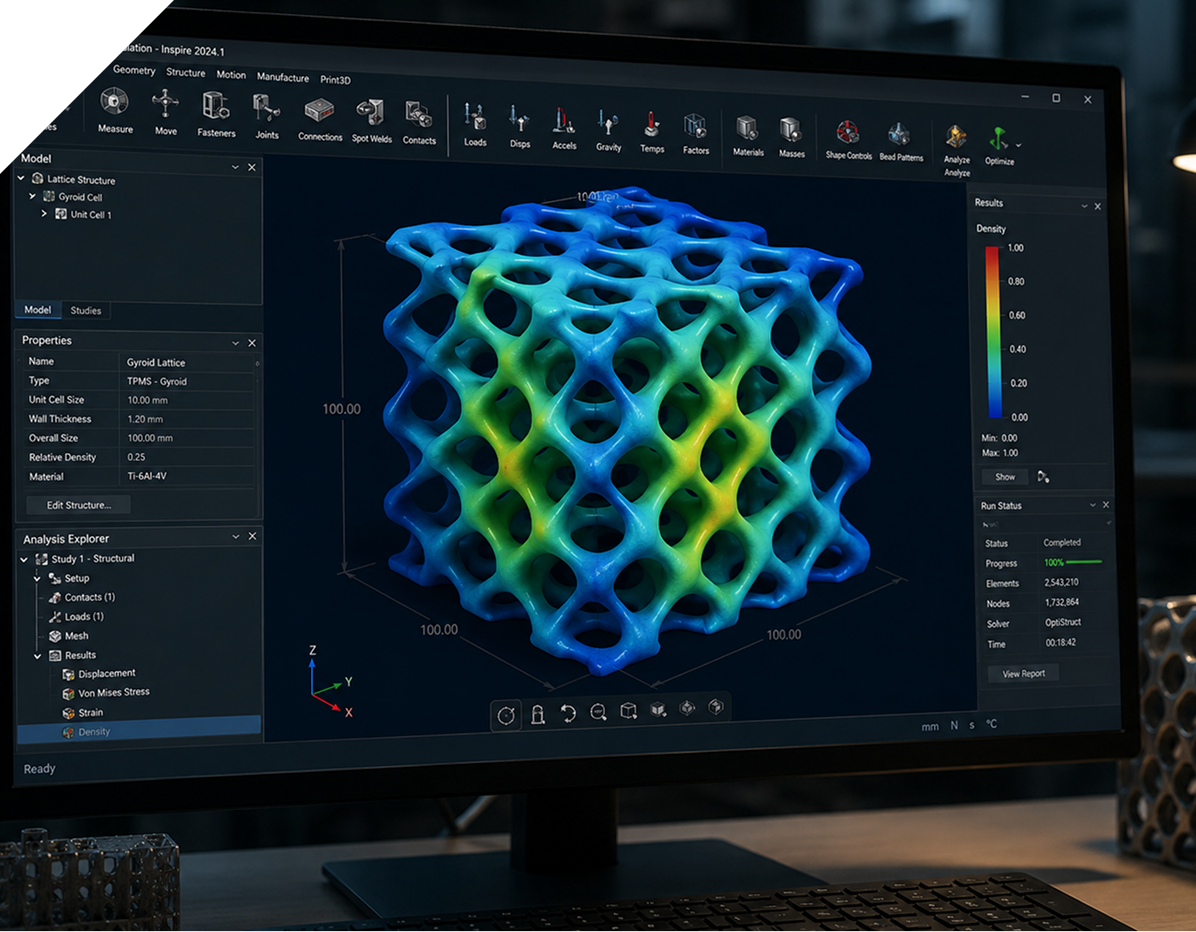
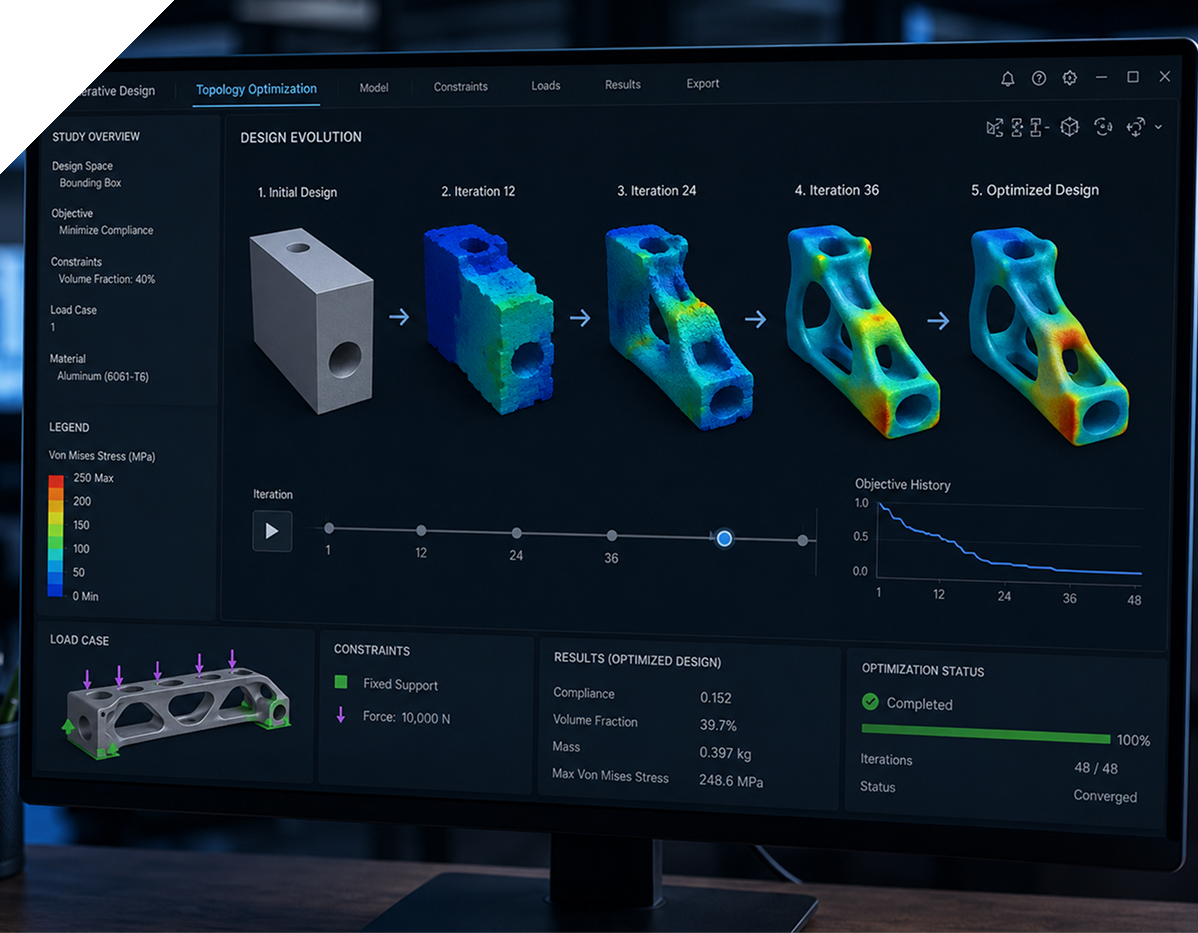
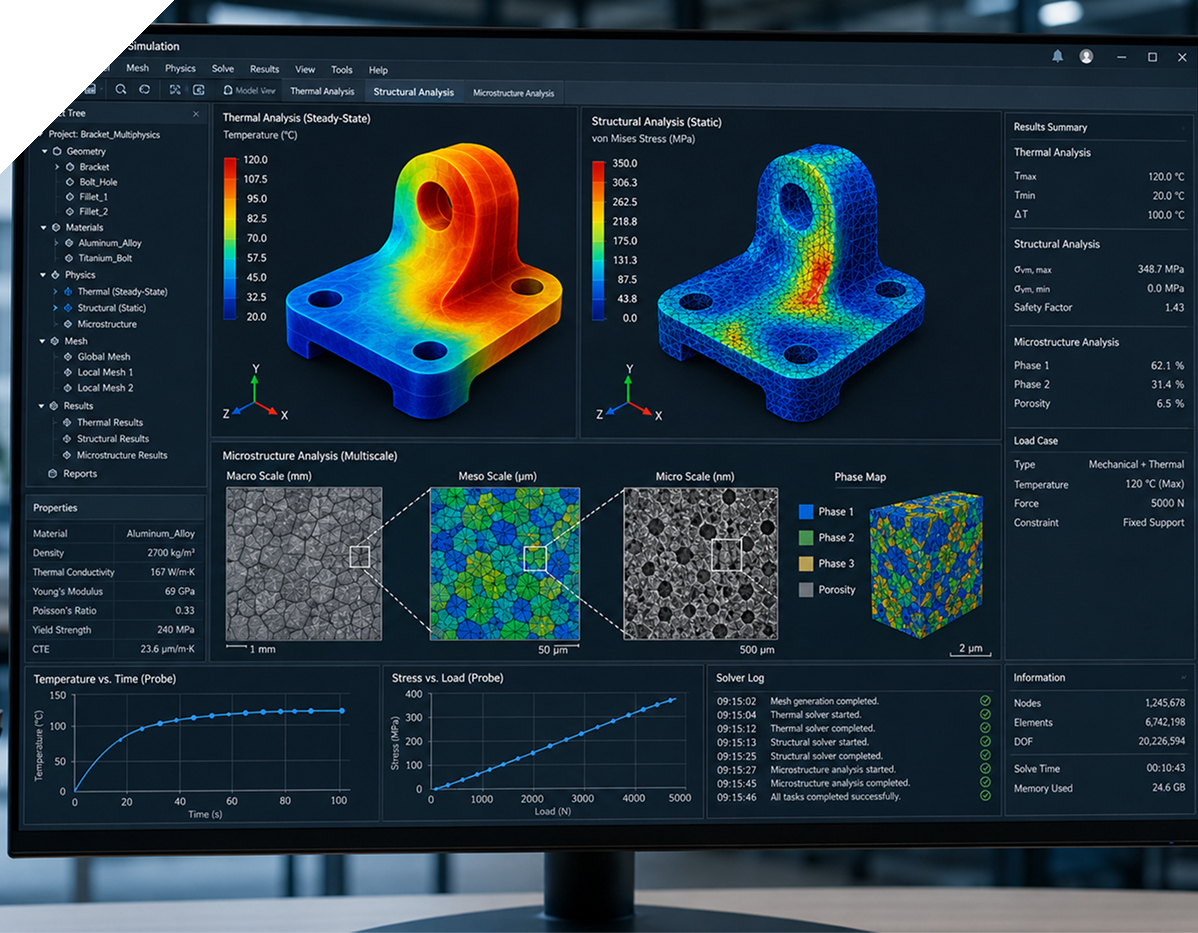
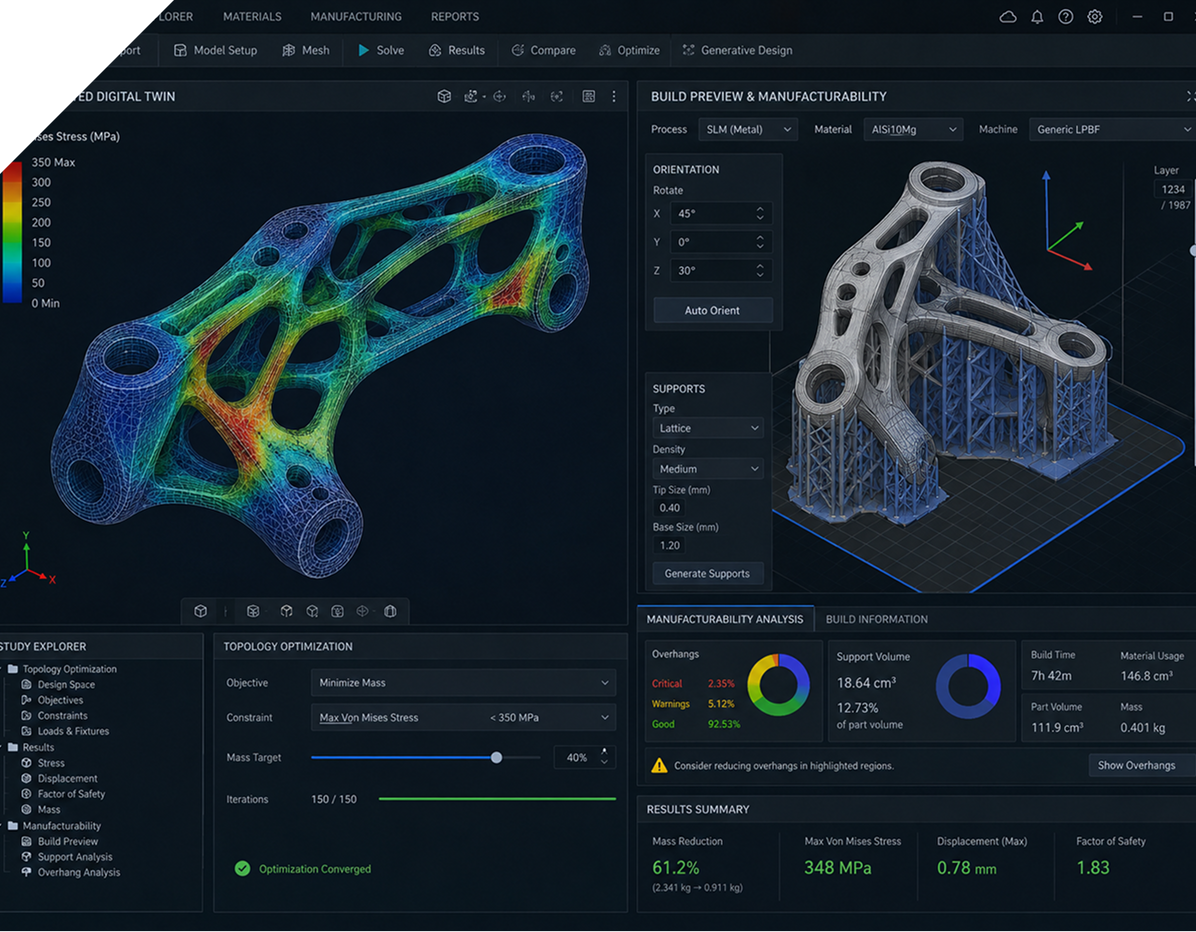
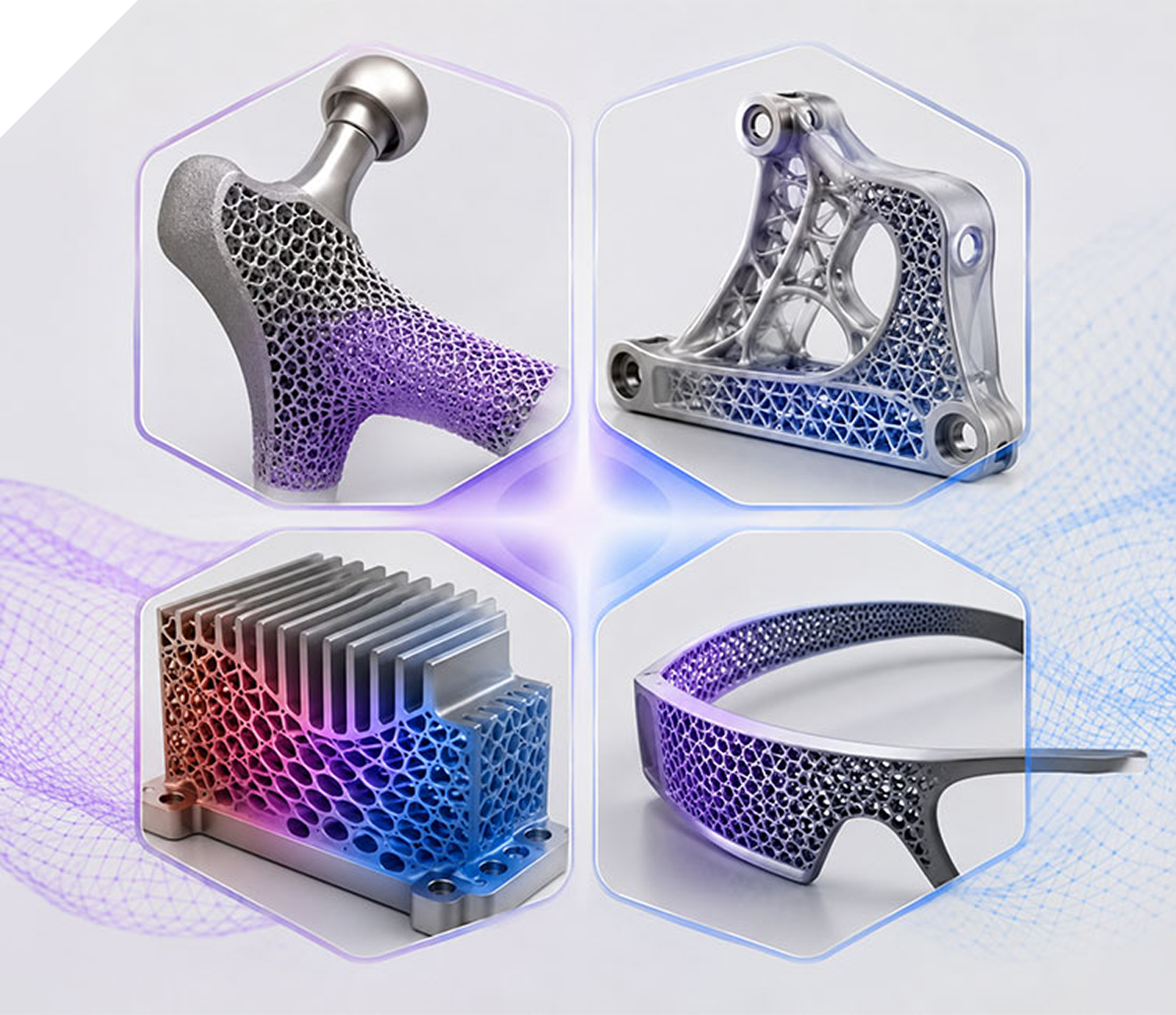
Components where weight, stiffness, heat transfer or energy absorption all matter at once – such as implants, aerospace brackets, thermal management inserts and consumer products for additive manufacturing. In these cases, uniform structures are often a compromise; field‑driven design allows for local tuning instead.
HOW WE COLLABORATE
It is an extension of simulation‑driven design: rather than designing once and checking later, we use simulation results directly as inputs to geometry. The process stays grounded – we start from clear requirements and work back to what level of field control is appropriate.
Field‑Driven Design
The examples below mirror the themes from your Field‑Driven Design pillar.
If you are exploring lattices, lightweighting or complex geometry,field‑driven methods can help structure the work
We can start with a simple pilot part and build a reusable pattern from there.
Field‑Driven Design
The approach mirrors our CFD and FEA practices, with an emphasis on modest claims and traceable steps.
Define the part, loads, thermal or flow conditions and manufacturing constraints.
Identify which fields are most relevant – for example stress, temperature or distance.
Agree on where field‑driven variation adds value and where simpler geometry is sufficient.
Document which fields drive which parameters, and at what ranges.
Present results as trade‑offs between weight, stiffness, heat transfer and manufacturability.
Where helpful, hand over rules and templates so your team can reuse the approach.
Curious Whether FDD Is A Fit? Share a short description or sketch of your system and we'll respond with an informal view on applicability, effort and likely value – before you commit to a full project.
A sample of engagements across our sectors. More case studies are being prepared as current programmes reach a publishable stage.
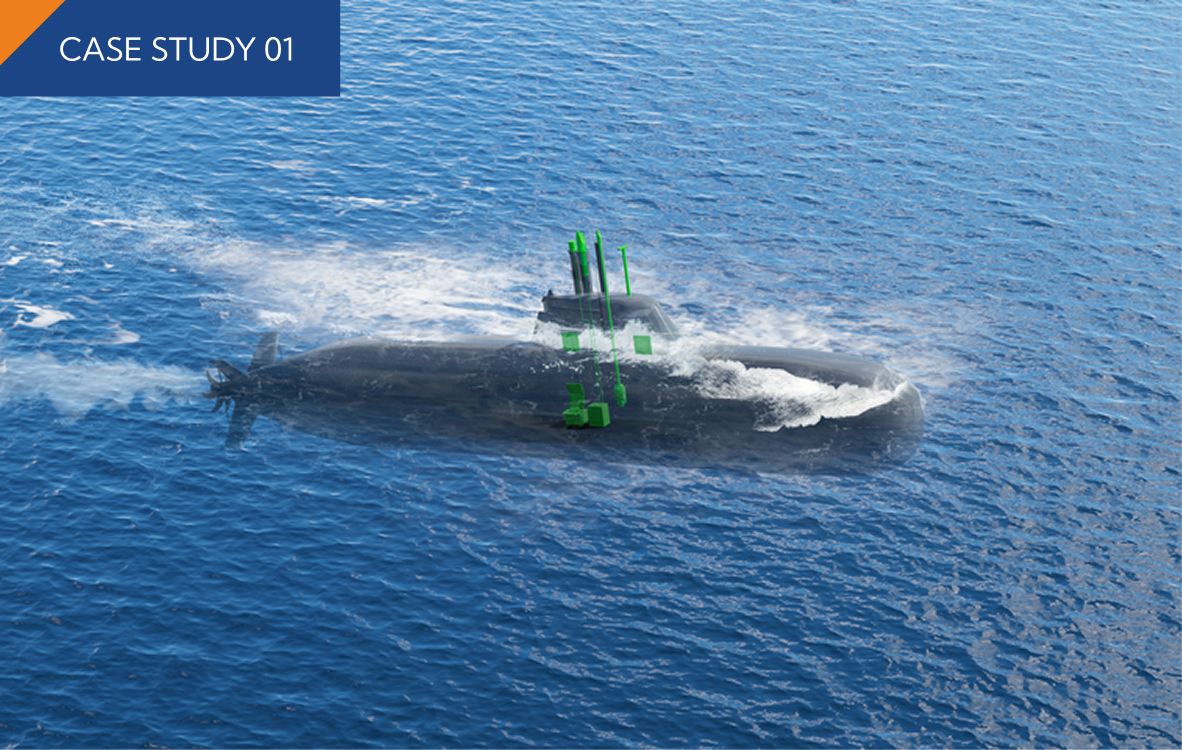
Conjugate heat-transfer simulation of a submarine mast assembly, validating thermal margins for embedded electronics under sustained operational loads.
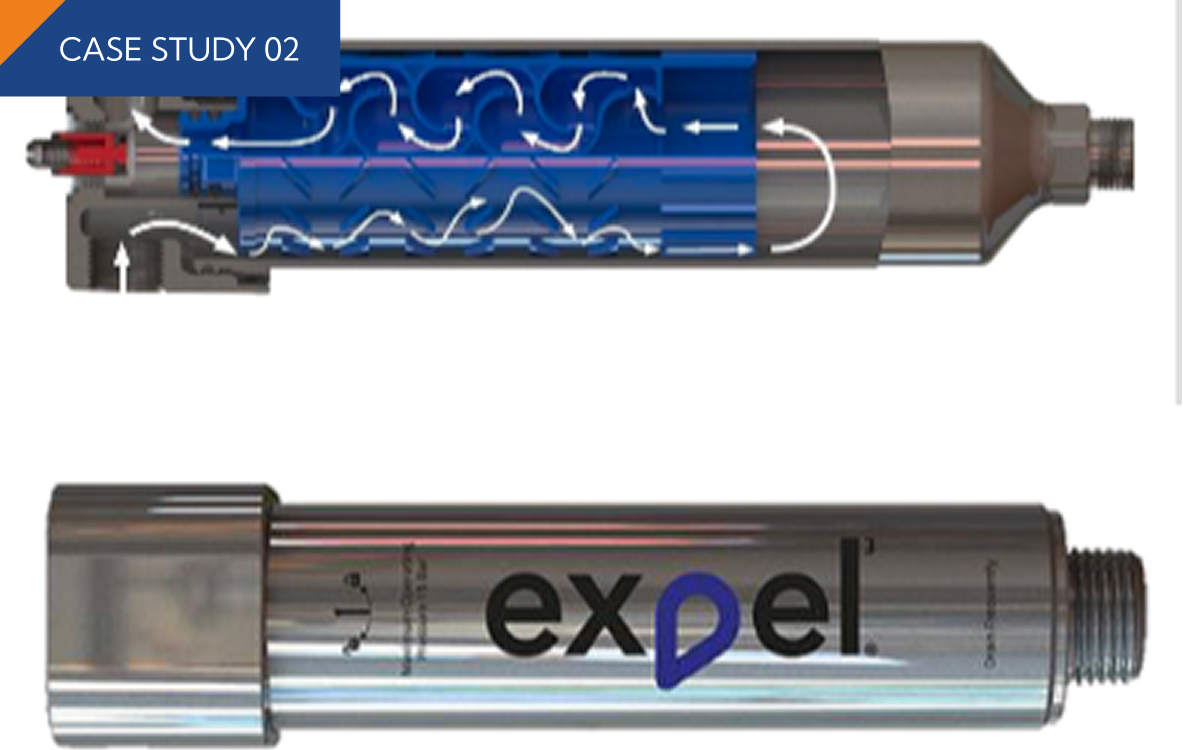
Multiphase CFD study of an advanced filtration system for ERIKS UK's Expel range, characterising pressure drop and flow uniformity across duty conditions.
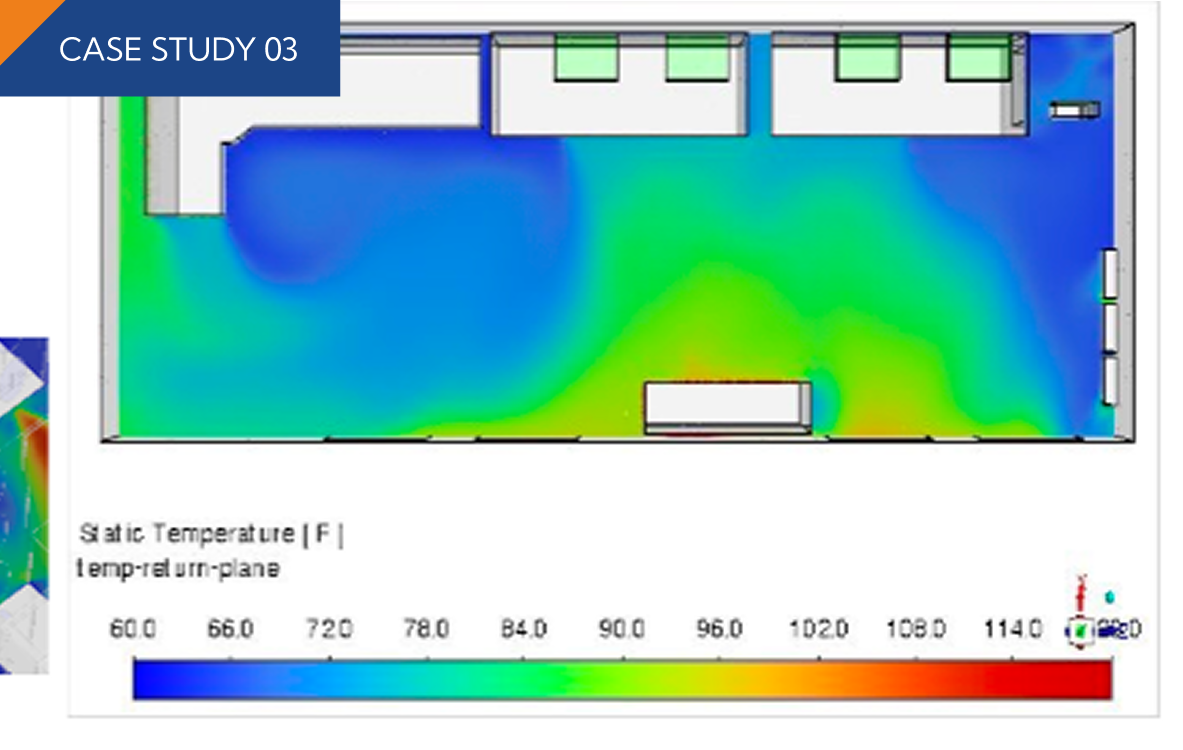
Delivered a CFD-driven HVAC cooling assessment that verified system redundancy, optimized cooling performance, and ensured reliable operations.

Discover how AI-driven engineering simulation and multiphysics solutions solve complex challenges across defence, aerospace, marine, and industrial sectors.