
We work with engineering teams to understand how components and assemblies respond to loads, temperature and vibration. The focus is on giving a clear view of stresses, deflections and fatigue margins so that design decisions are well‑grounded.
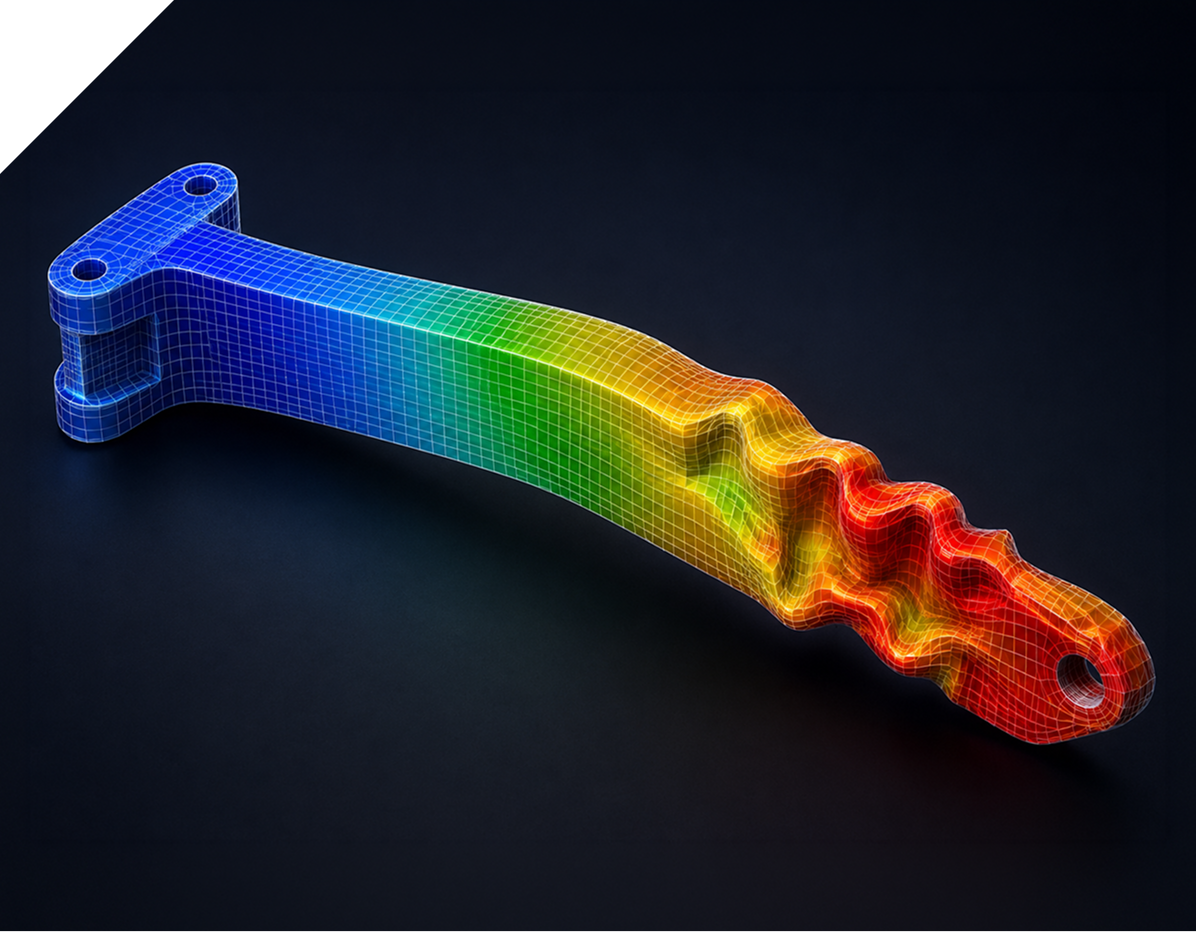
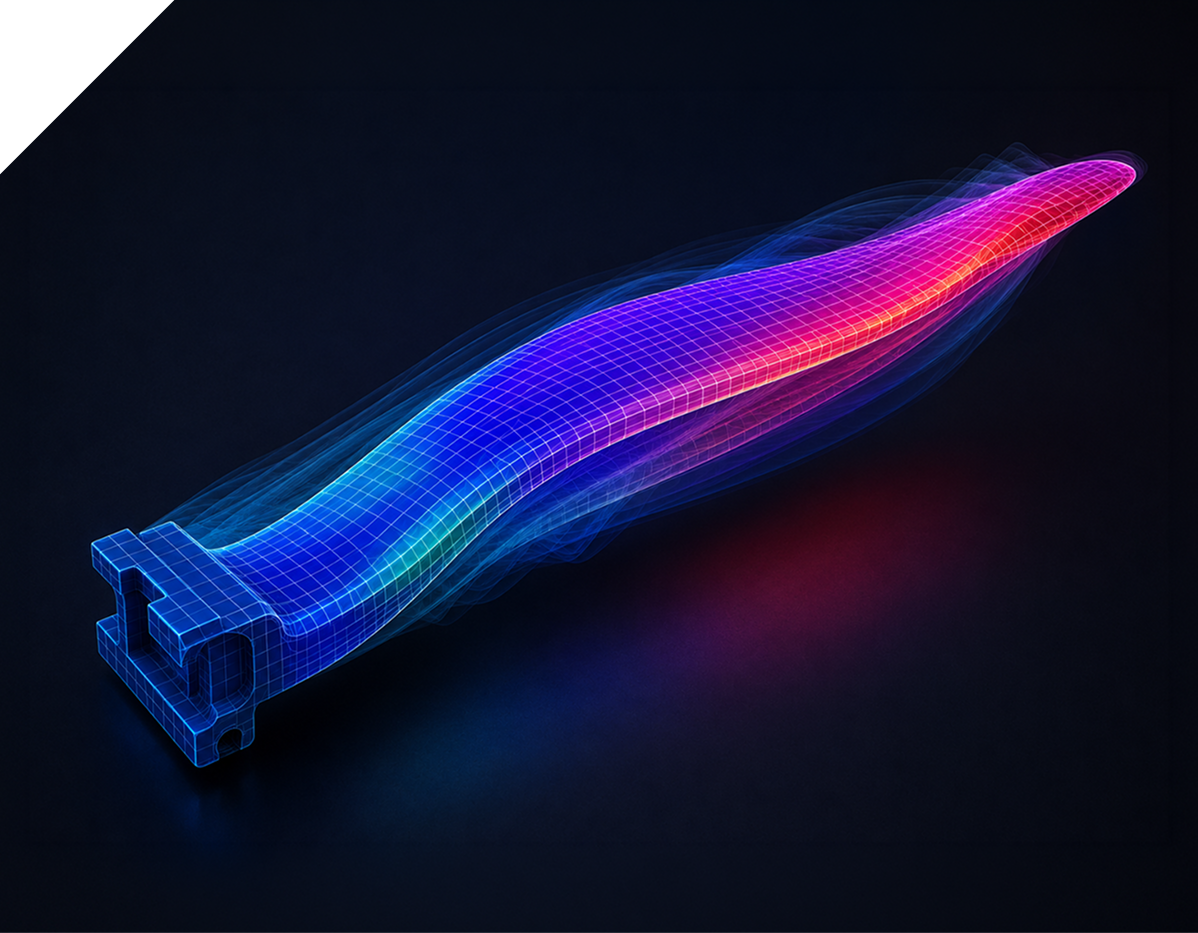
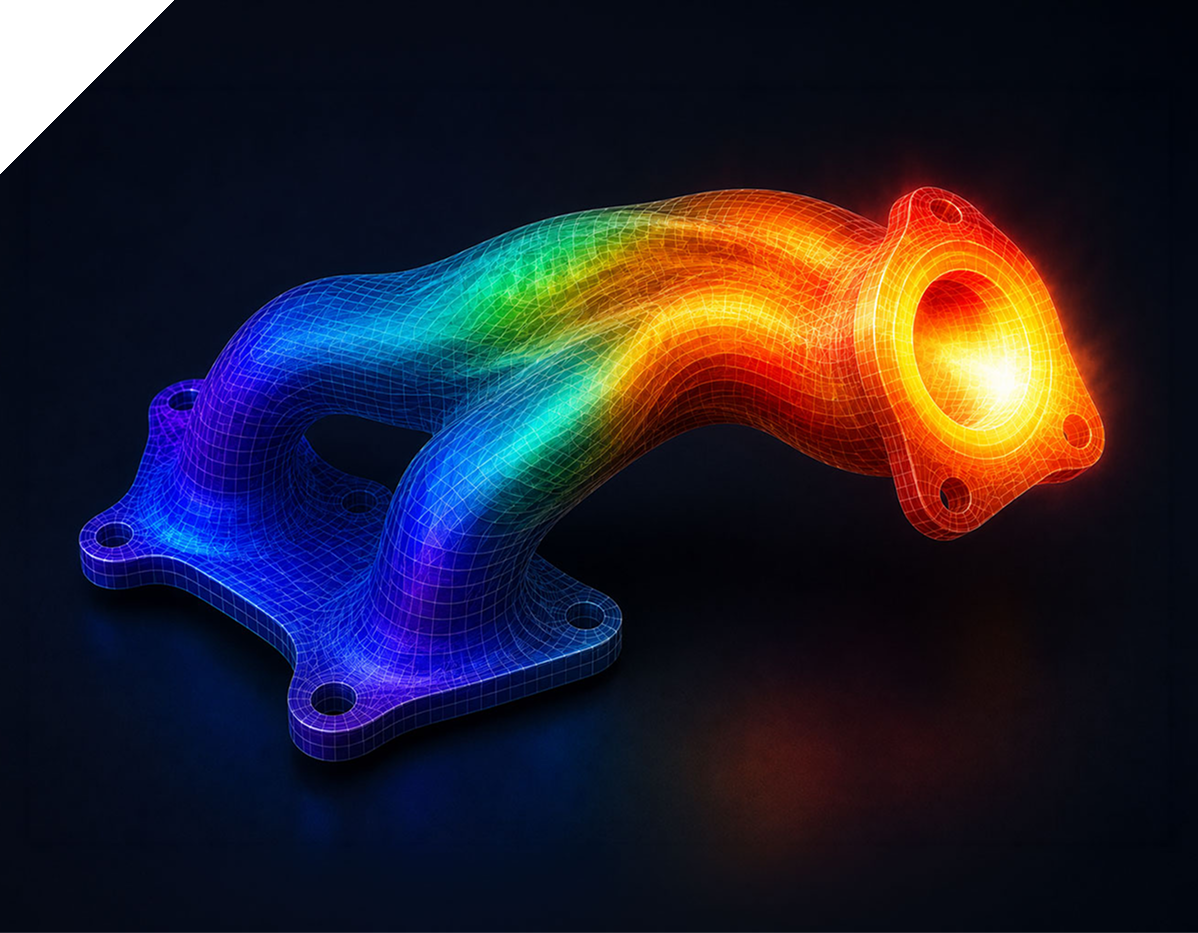
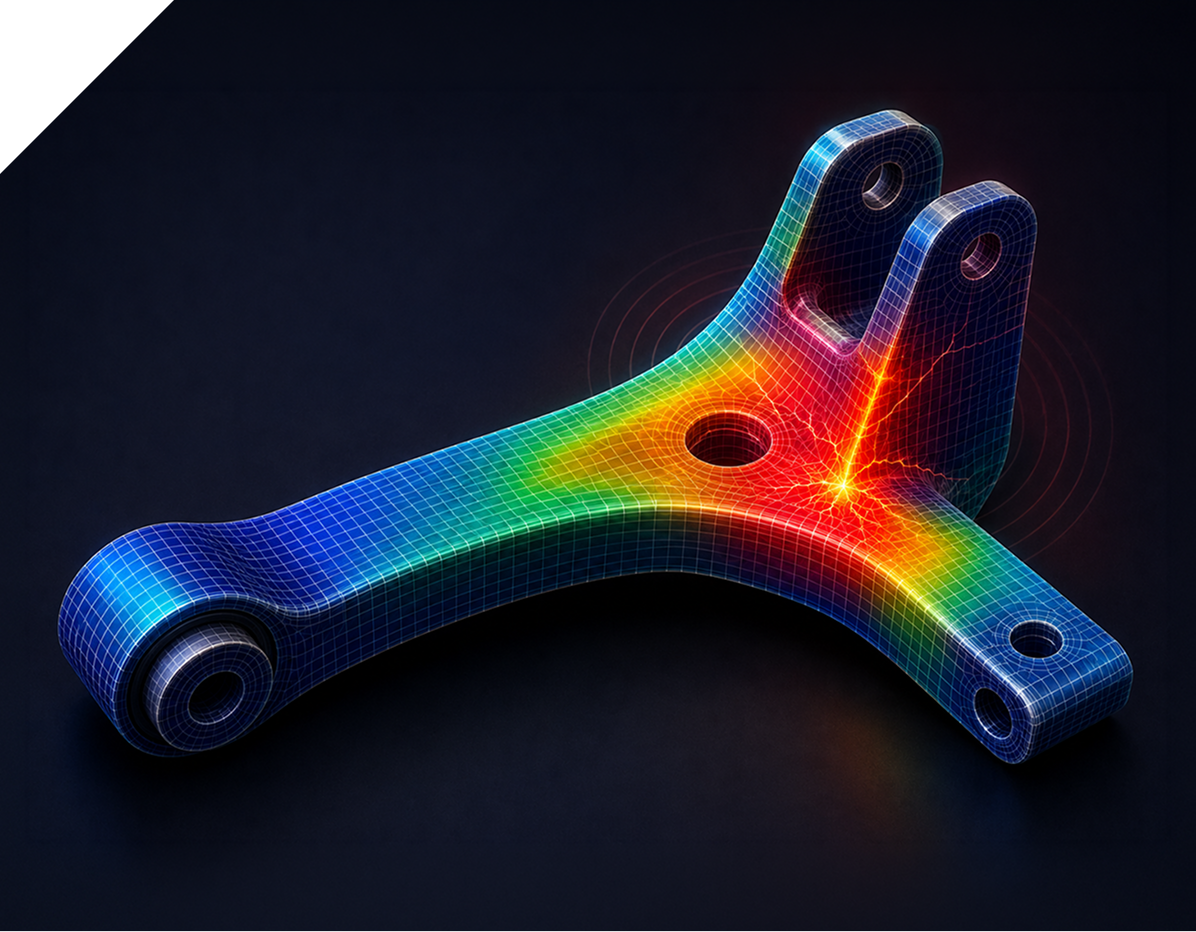
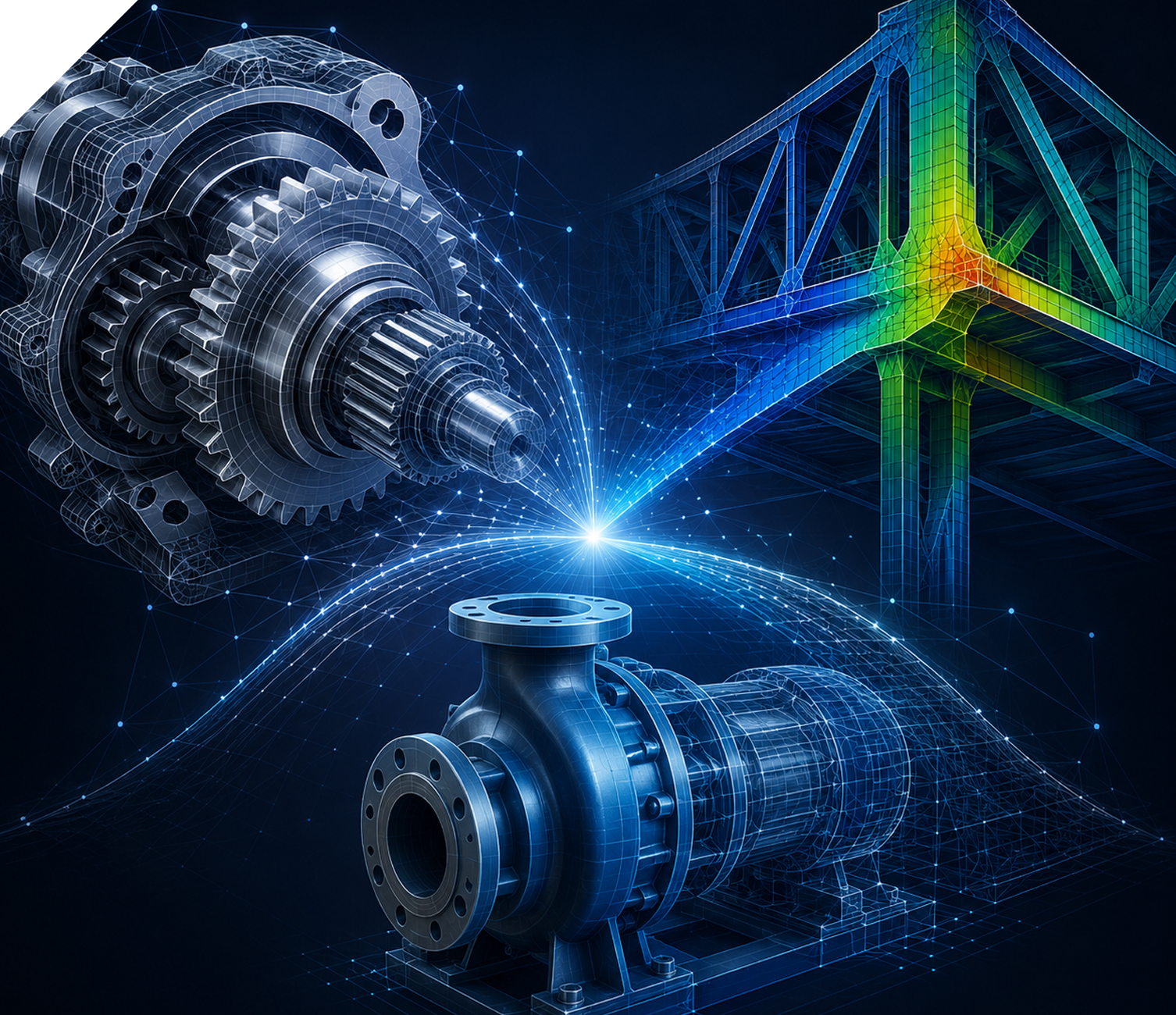
Mechanical, civil and multidisciplinary teams working on structures, machinery, equipment and products. Some already use FEA and need additional capacity or specialist input; others want a partner to help them interpret results and link them to design choices.
HOW WE COLLABORATE
FEA is a way to predict behaviour before builds or tests. We treat it as an engineering tool, not an end in itself, and aim for models that are simple enough to explain but detailed enough to be useful.
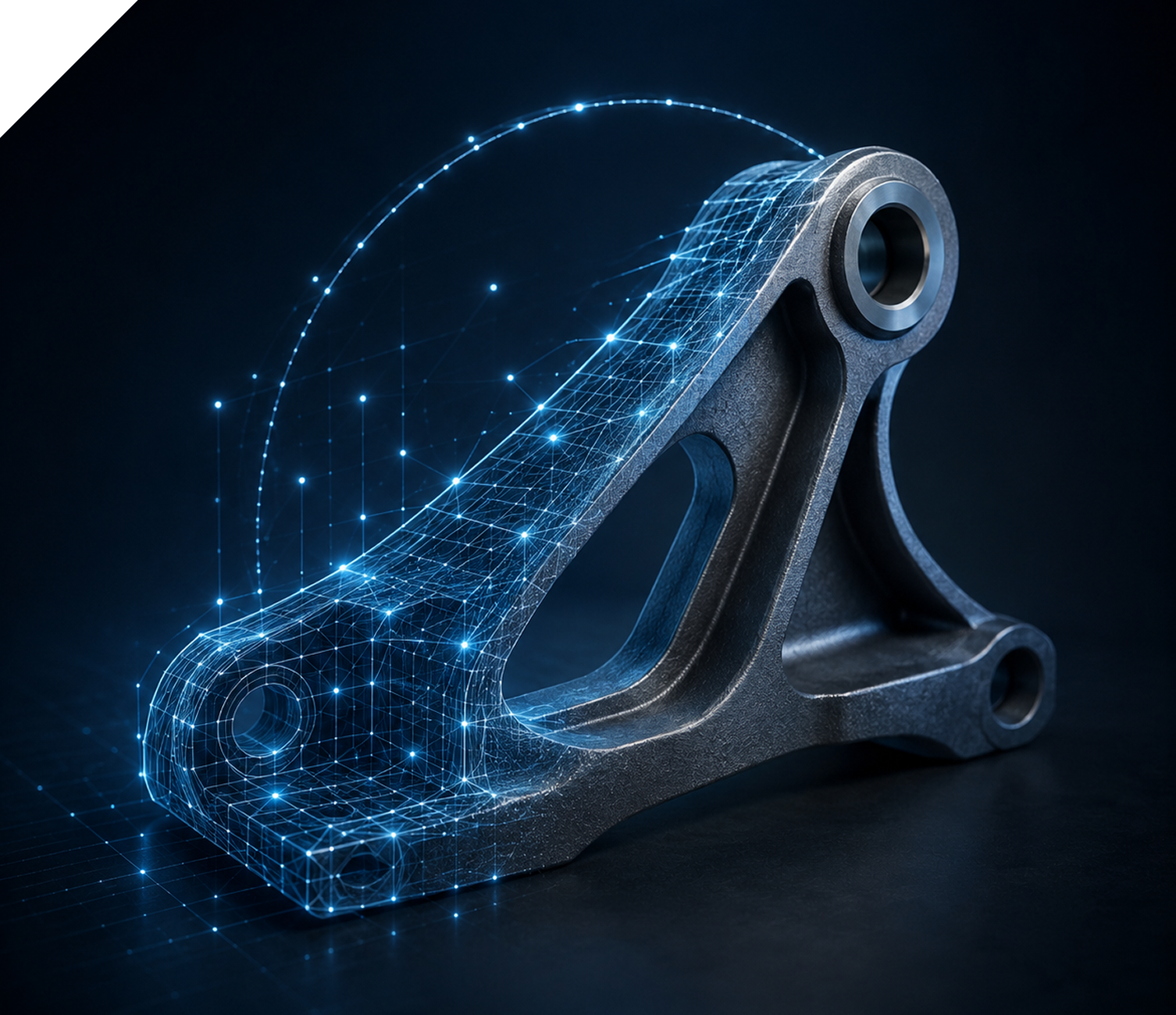
FINITE ELEMENT ANALYSIS
Below is a sample of the kinds of questions we are commonly asked to look at.
If Your Challenge Sits Close To Any Of These Examples, there is a good chance CFD can add clarity.
We are happy to share examples and talk through what level of modelling is appropriate before any formal engagement.
FINITE ELEMENT ANALYSIS
The structure mirrors our CFD practice and is aligned with how established simulation partners operate.
Start with loads, supports, materials and what you want to prove or compare.
Propose an appropriate level of modelling: from simple checks to detailed non‑linear studies.
Agree scope and deliverables so expectations are aligned.
Document assumptions, mesh choices and verification steps in everyday language.
Summarise findings as design guidance and risk levels, not just contour plots.
Where helpful, provide models and scripts so your team can build on the work.
Curious Whether FEA Is A Fit? Share a short description or sketch of your system and we'll respond with an informal view on applicability, effort and likely value – before you commit to a full project.
A sample of engagements across our sectors. More case studies are being prepared as current programmes reach a publishable stage.
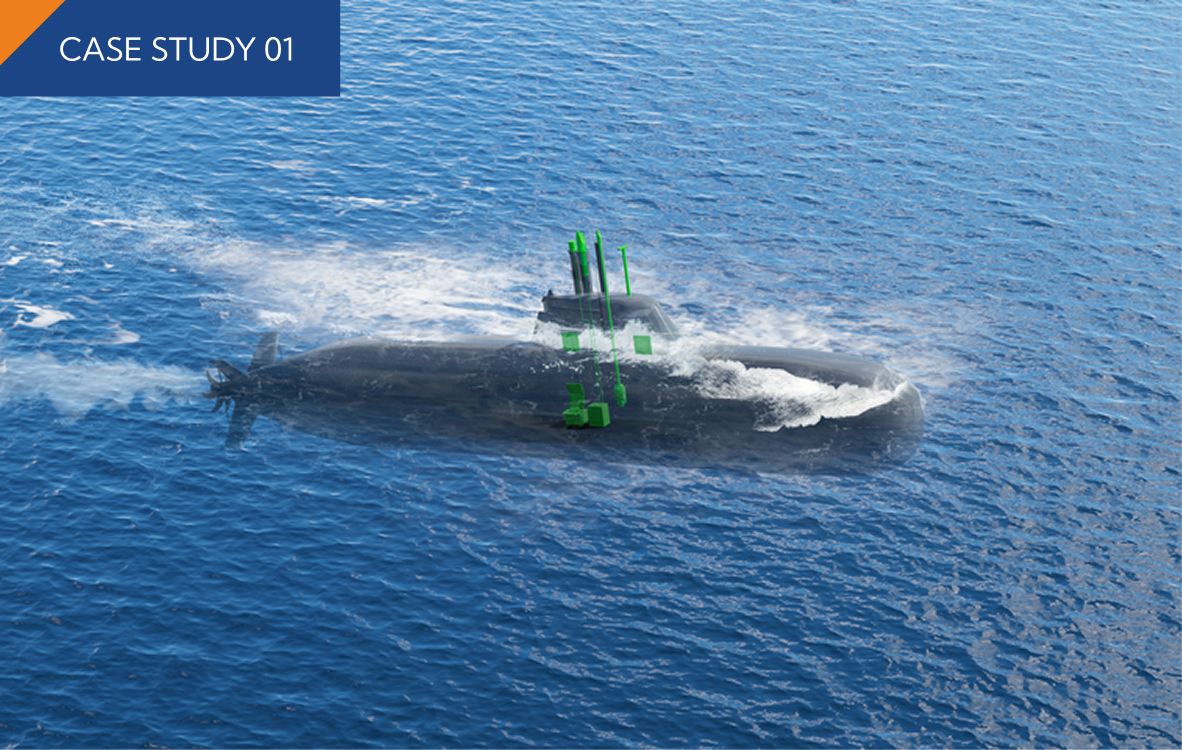
Conjugate heat-transfer simulation of a submarine mast assembly, validating thermal margins for embedded electronics under sustained operational loads.
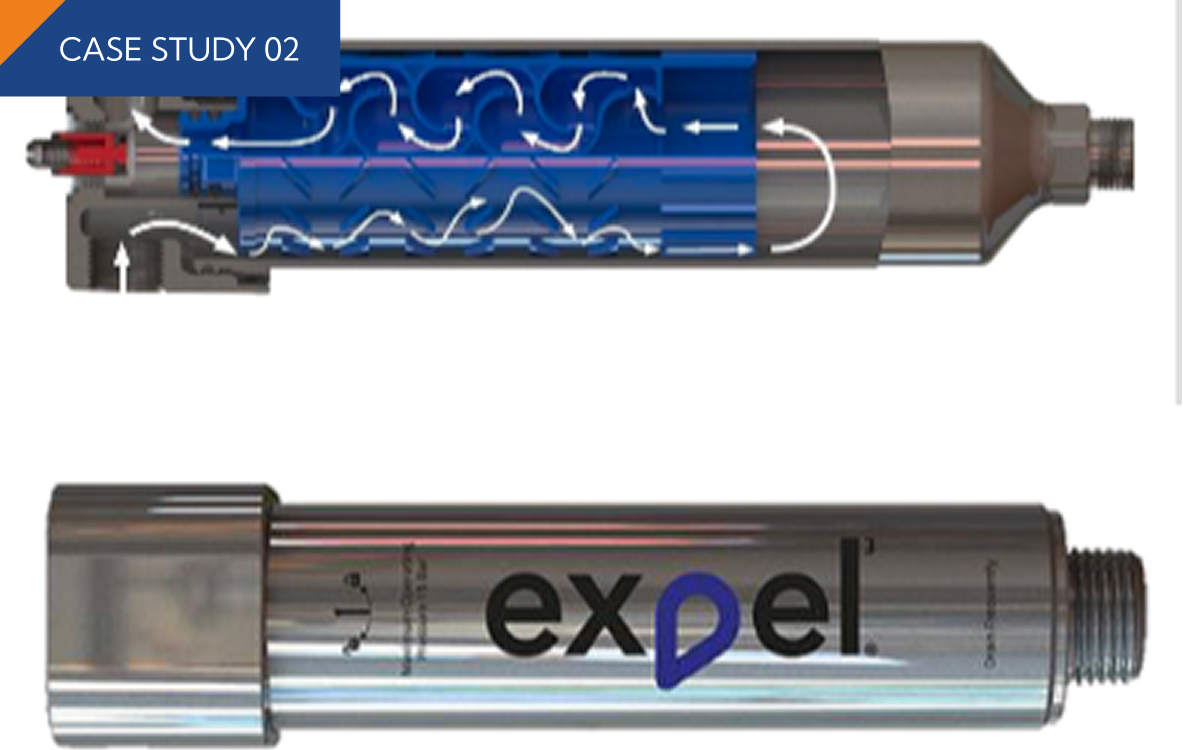
Multiphase CFD study of an advanced filtration system for ERIKS UK's Expel range, characterising pressure drop and flow uniformity across duty conditions.
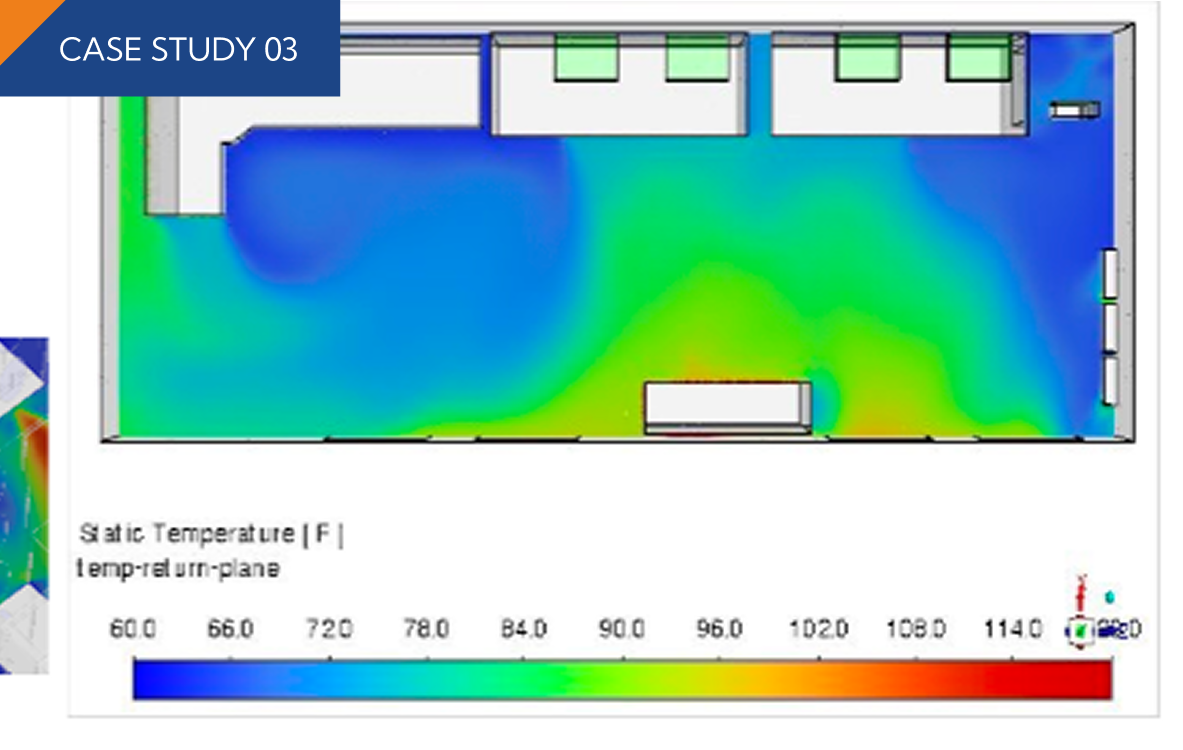
Delivered a CFD-driven HVAC cooling assessment that verified system redundancy, optimized cooling performance, and ensured reliable operations.

Discover how AI-driven engineering simulation and multiphysics solutions solve complex challenges across defence, aerospace, marine, and industrial sectors.